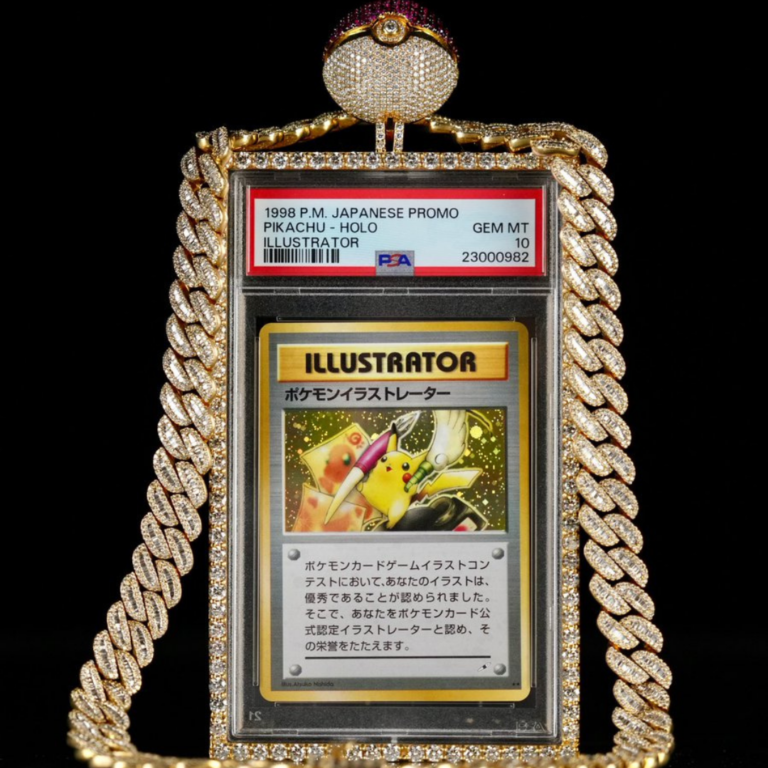
The Unprecedented Sale: Logan Paul’s Pikachu Illustrator
Imagine paying millions for a single trading card. That’s precisely what happened when internet sensation and boxer Logan Paul auctioned off his highly coveted Pikachu Illustrator Pokémon card. This wasn’t just any card; it was a PSA 10 graded specimen, signifying its pristine condition and extreme rarity. Originally acquired by Paul in a trade valued at an astonishing $5.275 million in 2021, this card became a symbol of peak collectible value.
Fast forward to February 2026, and the card made headlines again, selling for an incredible $16.5 million at auction. This monumental sale didn’t just break records; it shattered them, solidifying the Pikachu Illustrator’s status as the most expensive Pokémon card, and indeed, one of the most valuable trading cards, ever sold. The sheer scale of this transaction left many wondering: how does a simple card reach such stratospheric figures?
What Drives Such Astronomical Values in Collectibles?
The story of Logan Paul’s Pokémon card is a microcosm of the broader collectibles market, where several factors converge to create immense value:
•Rarity and Scarcity: The Pikachu Illustrator card is exceptionally rare, with only a handful known to exist in top condition. Limited supply against high demand is a fundamental driver of value.
•Condition: The PSA 10 grade is crucial. It means the card is virtually flawless, a rare feat for items decades old. Collectors pay a premium for perfection.
•Cultural Significance: Pokémon is a global phenomenon, deeply embedded in pop culture. This card isn’t just a game piece; it’s a piece of cultural history for millions.
•Celebrity Association: While the card itself is valuable, Logan Paul’s ownership and promotion amplified its visibility and desirability. His massive platform brought unprecedented attention to the sale, undoubtedly contributing to its final price.
•Investment Potential: Many view rare collectibles not just as hobbies but as tangible assets, often outperforming traditional investments. The rapid appreciation of Paul’s card demonstrates this potential.
The Controversy and Speculation: A Grade Change That Rocked the Collectibles World
While the record-breaking sale of Logan Paul’s Pikachu Illustrator card cemented its place in history, it wasn’t without its share of controversy and speculation. The card’s journey to a PSA 10 grade, a crucial factor in its astronomical value, became a focal point of debate within the collecting community.
Initially, Logan Paul acquired the card as a PSA 9. However, before its record-setting sale, the card was reportedly re-graded and returned as a PSA 10. This upgrade from a near-mint to a gem-mint condition sparked considerable discussion and skepticism among collectors. The rarity of a PSA 10 for such an old and sought-after card, combined with the significant jump in value attributed to the grade change, led many to question the process and the implications for the integrity of grading standards in high-stakes transactions.
Critics and enthusiasts alike debated whether the re-grading was a legitimate reassessment of the card’s condition or if external factors, such as the card’s celebrity owner and its impending public display, influenced the outcome. This controversy highlighted the subjective nature of grading, even by reputable organizations, and the immense financial impact a single grade point can have on a collectible’s market value. It also fueled broader conversations about transparency and accountability within the grading industry, especially when dealing with items of such monumental worth.
Despite the debates, the card’s final sale price underscored the power of rarity, condition, and celebrity influence in the modern collectibles market, even as it left some collectors with lingering questions about the journey to its perfect grade.
Beyond Pokémon: The World of Record-Breaking Collectibles
The Pokémon card saga is just one example of the incredible values found across various collecting niches. From ancient artifacts to vintage lighters, the market for unique and historical items is thriving:
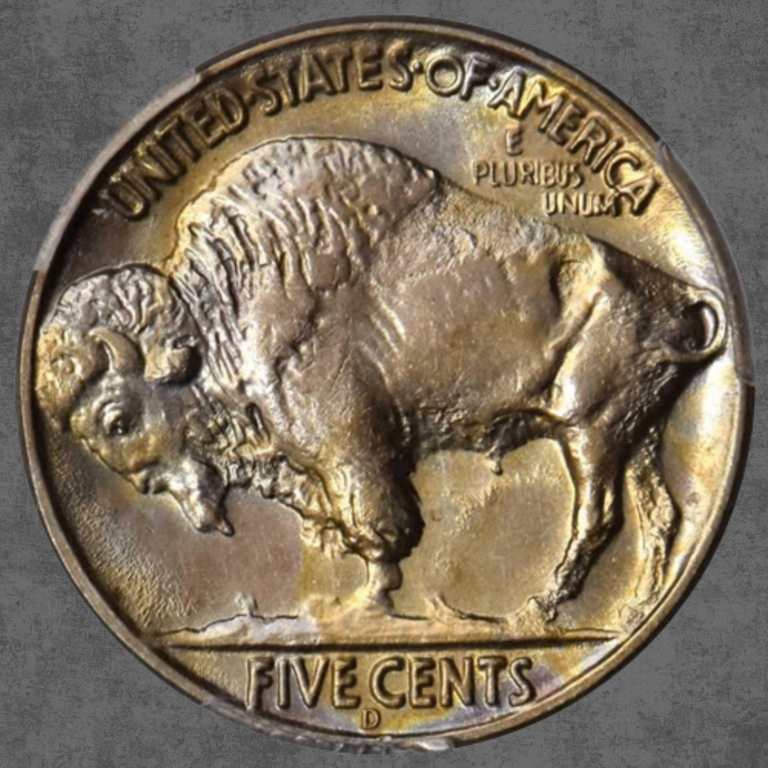
•Numismatics: Rare coins frequently command millions. Minting errors, historical significance, and pristine condition can turn a small piece of metal into a national treasure, much like the iconic 1937-D 3-Legged Buffalo Nickel.
•Comic Books: Key issues from the Golden and Silver Ages, especially those featuring first appearances of beloved superheroes, consistently fetch six and seven-figure sums. The cultural impact and scarcity drive these prices.
•Vintage Lighters: While not reaching the multi-million dollar figures of cards or coins, rare Zippo lighters and other vintage flame devices with unique designs or historical provenance can sell for tens of thousands of dollars, appealing to a dedicated collector base.
•Antiques and Memorabilia: From historical documents to celebrity-owned items, the stories and provenance attached to antiques can elevate their value exponentially. A dagger from the Mughal era, for instance, once sold for over $3 million, showcasing the enduring appeal of historical craftsmanship.
Are You Sitting on a Hidden Treasure?
The world of collectibles is dynamic and full of surprises. While not every item will become a multi-million dollar sensation, the principles behind these record-breaking sales—rarity, condition, historical context, and cultural resonance—are universal. Whether you’re a seasoned collector or just starting, understanding these factors can help you appreciate the true value, both monetary and historical, of the items you encounter.
Keep an eye on your attics, basements, and old collections. You never know when you might uncover the next record-breaking collectible!
References
1.Logan Paul sells rare Pokémon card for record price
2.Logan Paul Sells Pokémon Card at Auction for Record $16M
3.The 1937-D 3-Legged Buffalo Nickel: America’s Most Iconic Minting Error
4.7 Vintage Lighters Worth a Lot of Money
5.Most Expensive Knife in the World: Top 25 Luxury Knives
6.Logan Paul’s Pikachu Illustrator: The Grade Change Controversy